For years, companies have been asking the wrong question: "Which gym should we partner with?"
That's not a wellness strategy. That's procurement.
The companies building the best employee experiences today aren't choosing better gyms. They're giving employees the freedom to choose what works for them. And that changes everything.
The Old Model of Employee Benefits Is Breaking
Think about how we consume almost everything today.
We don't watch one TV channel anymore; we have Netflix. We don't buy one CD; we use Spotify. We don't rely on one taxi company; we open Uber. Every service around us has become personalized—except employee benefits.
Many organizations still believe offering access to one gym—or one wellness provider—is enough. It isn't. Because employees don't all live the same lives.
Wellness Isn't One Size Fits All
Imagine a company with 500 employees. Some start work at 7 AM, others finish at 9 PM. Some work remotely, others commute every day. Some enjoy CrossFit, others prefer yoga. Some are recovering from injuries, while others simply want a swimming pool or a Pilates class.
Yet companies continue offering exactly the same wellness benefit to everyone. The result? A benefit that technically exists—but practically goes unused.
The Real Problem Isn't Budget
Whenever companies review their wellness strategy, the conversation usually starts with cost. How much should we invest? Can we negotiate a better corporate rate? Should we renew our gym contract?
Those aren't the important questions. The real question is: How much value are employees actually getting from what we're already paying for?
A benefit that only 15% of employees use isn't necessarily affordable. It's expensive, because every unused benefit represents wasted investment.
Utilization Is the KPI That Matters
Companies often celebrate launching a new wellness initiative. But six months later, participation quietly disappears. Not because employees stopped caring about their health, but because the benefit never fit into their daily routine.
The gym might be too far, the working hours don't match, the activity isn't interesting, or maybe employees simply wanted something different. Low utilization doesn't always mean low interest; more often, it means poor design.
Employees Don't Need More Benefits—They Need Better Choices
This is where employee expectations have fundamentally changed, especially with Millennials and Gen Z entering leadership positions. They don't expect companies to dictate how they should stay healthy. They expect flexibility—exactly the same flexibility they experience in every consumer product they already use.
Modern employee benefits shouldn't answer: "What wellness program should we offer?" They should answer: "How can every employee build a healthy routine that actually fits their life?" Those are two completely different philosophies.
This Is Why Wellness Budgets Are Replacing Fixed Perks
Forward-thinking organizations are beginning to move away from fixed wellness partnerships. Instead of asking employees to adapt to one provider, they're giving employees access to multiple experiences: gyms, studios, fitness classes, recovery sessions, and wellness activities.
Employees choose what works for them, not what procurement selected months ago. Because when people have ownership over their wellbeing, they're significantly more likely to build habits that last. And habits—not perks—are what improve wellbeing.
Where Kaimen Fits Into This Shift
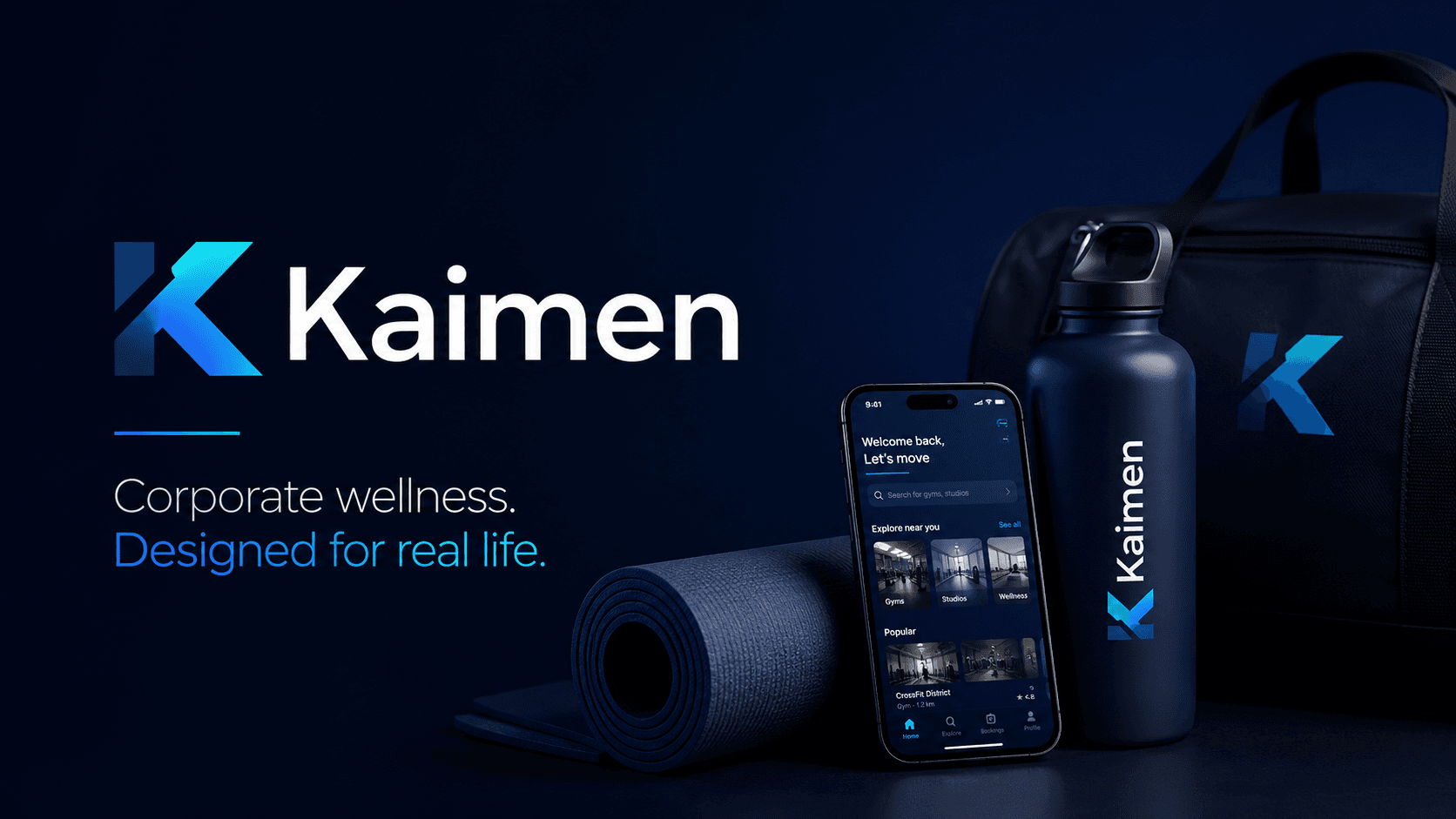
This is exactly the problem Kaimen was built to solve. Instead of limiting employees to a single gym or one corporate partnership, Kaimen gives companies a flexible corporate wellness platform where employees can access hundreds of gyms, studios, fitness classes, and wellness experiences through one membership.
Whether an employee prefers strength training before work, yoga after office hours, swimming on weekends, or trying a completely new wellness activity, they don't need HR to negotiate another partnership. They simply choose what fits their lifestyle.
For HR teams, this means less administration. For employees, it means more freedom. And for businesses, it creates something far more valuable than another corporate perk: a wellness benefit people actually use.
The Companies Winning the Talent War Think Differently
The conversation around employee benefits is changing. The question is no longer: "How many benefits do we offer?" It's becoming: "How many of those benefits genuinely improve employees' lives?"
Because employees don't remember the benefits listed in the handbook. They remember the ones that fit into their everyday lives. That's the difference between offering a perk and creating an experience.
Final Thought
The future of corporate wellness won't belong to the companies with the biggest budgets. It will belong to the companies that give employees the freedom to choose how they take care of themselves. In a world where personalization has become the standard everywhere else, employee benefits shouldn't be the last place still built around one-size-fits-all thinking.
What do you think is more valuable today: giving every employee the same wellness benefit—or giving every employee the freedom to choose their own?